What Are Gutter Guards?
These protective coverings are known as gutter guards, which keep gutters clean by preventing the entry of leaves, twigs, and other debris. They let water pass through while restricting the accumulation of debris that could lead to flooding or water damage. Gutter guards are made of various materials, including metal, plastic, and foam, and are an effective way of reducing maintenance and prolonging the life of the gutter system for the homeowners.
How to Install Gutter Guards?
Installing gutter guards is easier than it might seem, especially if you have the right tools and a bit of patience. Here’s a simple step-by-step guide to help you get the job done safely and effectively.
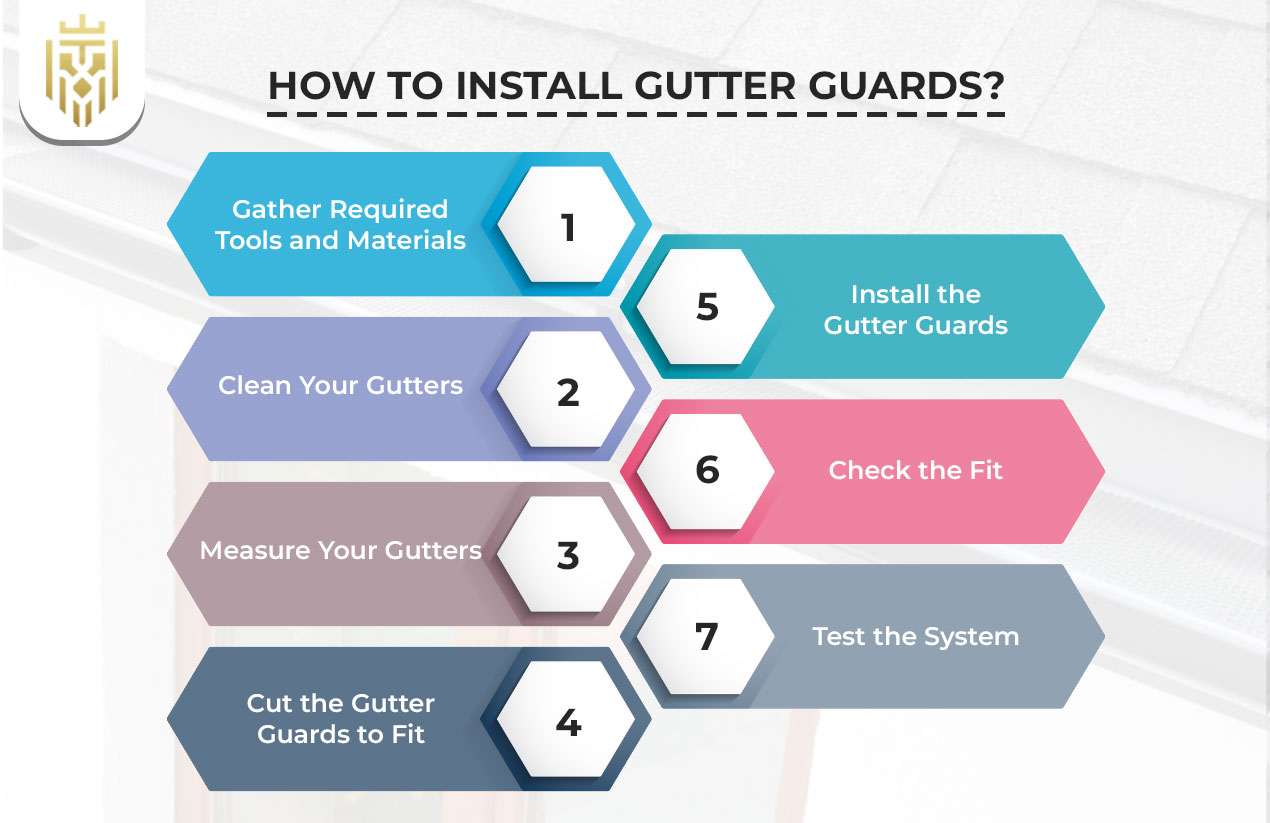
Gather Required Tools and Materials
Before starting, it’s good practice to have all the tools and materials ready. The basic ones include gloves, a ladder, tin snips/scissors, measuring tape, and gutter guard material of choice. It’s really helpful to have everything at hand to make the whole process safe and fast.
Clean Your Gutters
The very first thing you need to do is clean your gutters. Get rid of all the leaves, dirt, and other materials that could have been collected inside the gutters. This will allow the guards to occupy the space tightly and work properly. Moreover, cleaning gives you the opportunity to take a look at your gutters for any cracks or rust before the installation of the guards.
Measure Your Gutters
Take a measuring tape and measure the length of your gutters. Getting the right measurements will determine the number of gutter guard sections that you will need. In case your gutters have corners or angles, pay attention to them so that you get a perfect fit later on.
Cut the Gutter Guards to Fit
Gutter guards should be cut according to the measurements you’ve taken. If you’re using plastic or mesh guards, regular scissors or tin snips will do the trick. Just be sure to put on gloves during this process to prevent any cuts from the sharp edges.
Install the Gutter Guards
Each type of gutter guard installs a little differently, so it’s important to follow the correct process for the one you’re using.
For Screen or Mesh Guards
Place the guard on the gutter, and hold it under the roof shingles or hook it to the edge of the gutter. Instead of water becoming blocked, make it flow smoothly and ensure that the guard is even.
For Foam Guards
Foam guards are put inside the gutter. It is enough to simply press them until they are snug along the whole length. They act as a filter allowing only water to pass through while blocking all the other debris.
For Brush Guards
Brush guards are large pipe cleaners that fill the gutter channel. Push them in and make certain they cover the gutter’s entire width. The leaves get trapped on top of the bristles while the rainwater is allowed to flow freely underneath.
For Surface Tension Guards
These guards take up the full gutter area and depend on water’s natural surface tension to direct flow into the gutter while letting dirt and leaves slide out. The install is by aligning with the edge of the gutter and fastening it with screws or clips according to the manufacturer’s instructions.
Check the Fit
Once everything is installed, spare some time to review your work. Proper fitting and alignment will not only make the guards work but also look neat. Inspect every section after installation to ensure that everything is secured and well aligned. If there are any places where the guards look loose or uneven, make the necessary adjustments.
Test the System
Before concluding, it is a good practice to test the new installation. Rain simulation is a good way to check if everything is operating correctly. At the end of the day, pour water from a hose on the roof to imitate rain. Observe the water flow through the system to verify that the guards are working.
Why Install Gutter Guards?
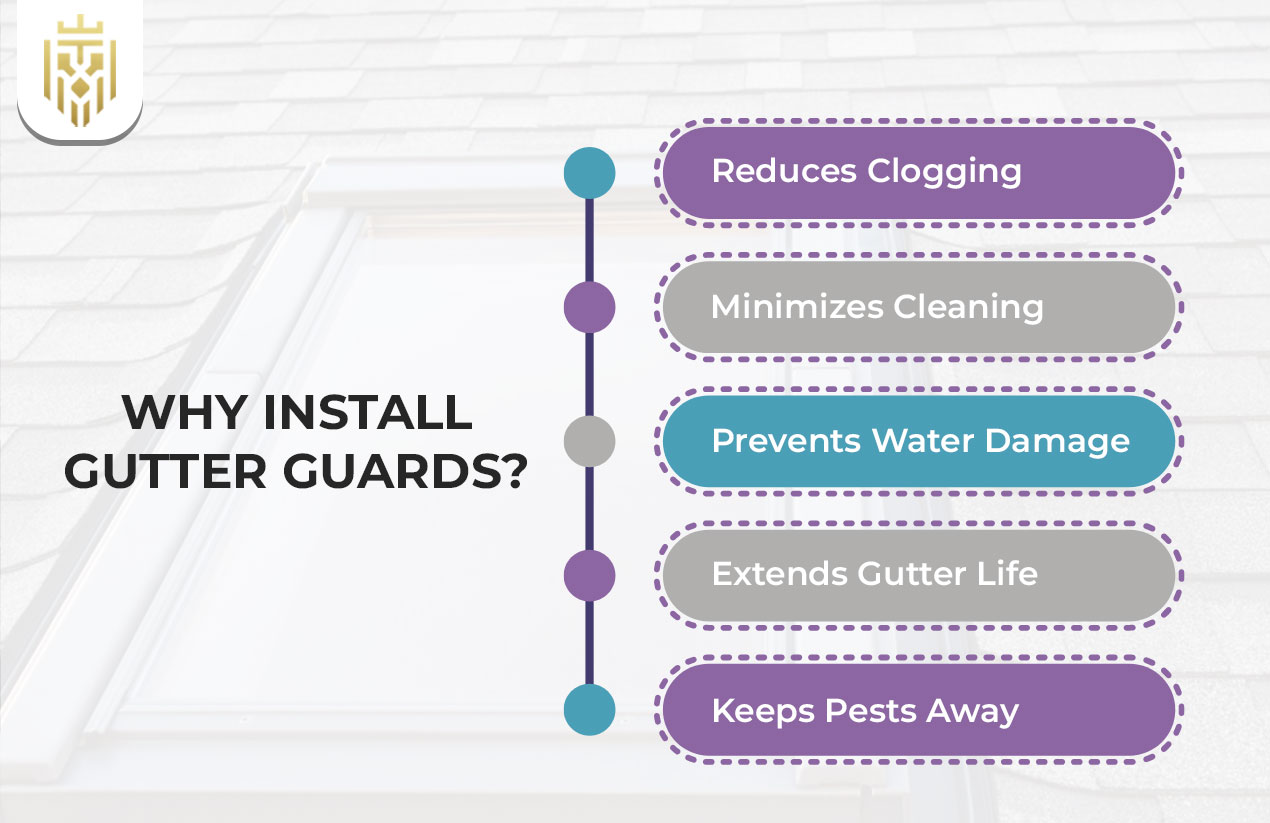
Beyond keeping your gutters cleaner, gutter guards provide a range of long-term benefits for your home. From preventing water damage to extending the life of your gutters, here’s why they’re worth the investment.
Reduces Clogging
Gutter guards serve as a battleground against leaking leaves, soil, and other elements that might obstruct your gutters. They keep rainwater flowing without any hindrance and lessens the possibility of overflowing by eliminating accumulations. Consequently, it entails fewer concerns during downpours and enhanced safeguarding of your house’s premises.
Minimizes Cleaning
Having gutter guards will result in significantly less time spent on the ladder cleaning your gutters. Their application considerably reduces the times of maintenance; thus, it is easier to keep your system in good condition throughout the year. You can have a worry-free experience because your gutters will be cleaner for a longer duration.
Prevents Water Damage
Full gutters are liable to water overflowing and the latter getting into your roof, walls, or foundation. The implementation of gutter guards aids in grounding water streams through spouts, which lessens the chance of expensive water damage. Such protection helps in maintaining the property of your home over time.
Extends Gutter Life
Gutter guards block the opposite of moisture and thus damage to it by keeping gutters free from rusting and early wear. This may result in longer-lasting and less costly gutters in the long run. Good gutters not only work better but also keep the exterior of your house charming.
Keeps Pests Away
Rainwater collection and the very same flowing water in the form of open gutters always virginally invite pests such as mosquitoes, birds, and even rodents and insects among other things. Insect extinction through gutter guards prevents the breeding, and hence the distance keeps visiting pests from your house. A gutter system that is cleaner and dryer, furthermore, is less likely to harbor infestations on your roof or attic.
Maintenance Tips After Installation
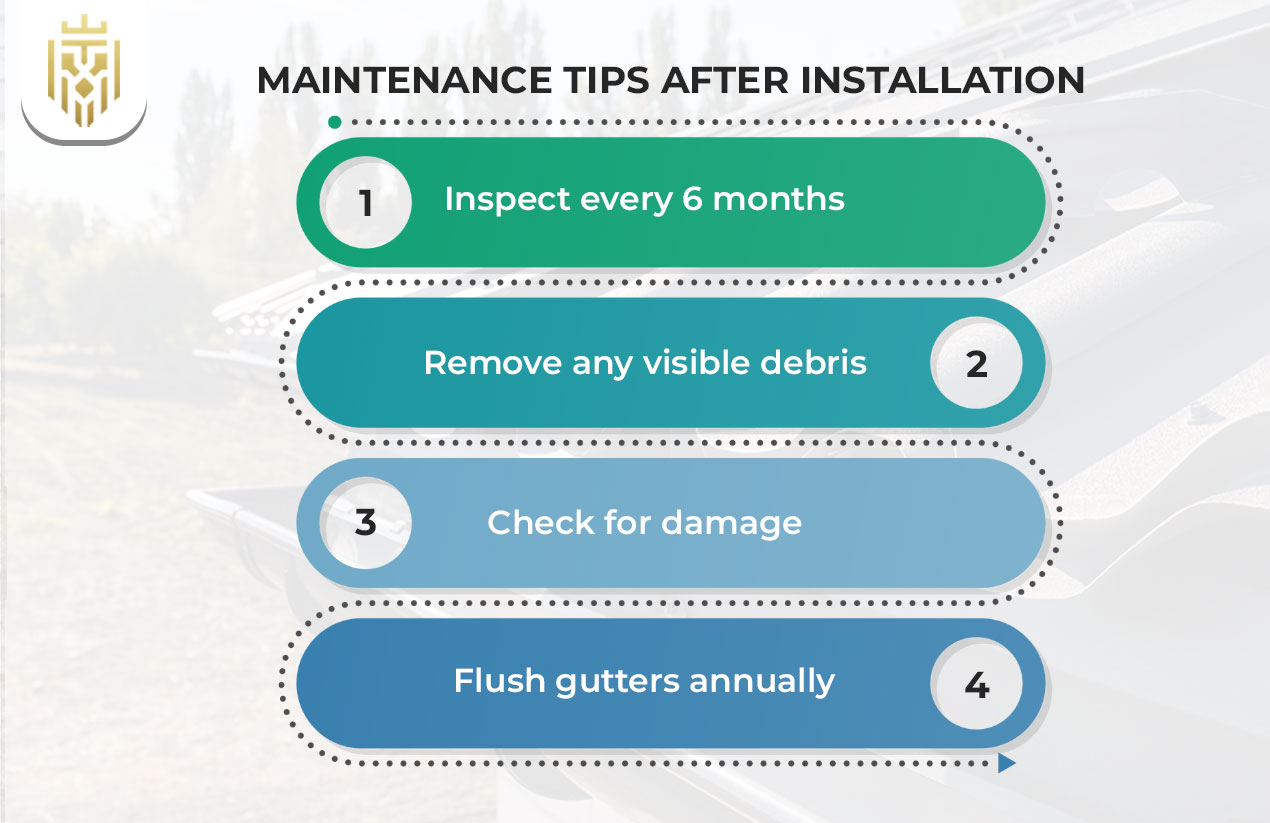
Even though gutter guards reduce maintenance, they still need occasional attention to stay effective. A few simple habits can keep your gutters performing their best.
Inspect every 6 months
To the extent that gutter guards are installed, there’s still no harm in inspecting your gutters at least twice annually. Observe if there are any loose parts or, to the extent visible, any damage. Small issues are dealt with before turning into costly repairs by regular inspections. It will be perfect to check up during spring and fall periods when debris buildup is at its height.
Remove any visible debris
Make sure you get rid of all the leaves and twigs on top of the guards, especially after storms, to avoid any water not flowing. A simple sweep or rinse can save you from blockages caused by time. With the top surface clear, the gutters’ aesthetic is also preserved.
Check for damage
Eventually, portions can get loose or bend because of the weather. Repairing or replacing the damaged pieces quickly will ensure your coverage isn’t compromised. Powerful winds or extreme cold might dislocate the guards occasionally, so it’s a good idea to tighten the loose fittings. Taking care of minor repairs lets your gutter system operate efficiently all through the year.
Flush gutters annually
Make it a yearly practice to use a hose to flush your gutters. This will not only get rid of very small particles that could have passed through but also make sure everything is still running smoothly. The flushing confirms that the downspouts are clear and that the water is draining correctly. It is a small step, but it does a lot in the prevention of water accumulation and overflow troubles.
FAQs
1) What are gutter guards?
Gutter guards are a type of protective system that is put over gutters to allow the free flow of water while at the same time keeping the gutters clear of leaves, debris, and other materials that could block them. Gutter guards come in a variety of styles and materials, each suited to the particular needs of your home and local weather.
2) How to install gutter guards?
The installation of gutter guards starts with cleaning and measuring the gutters, cutting the guards to fit, and putting them in place according to their type—screen, foam, brush, or surface tension. If you take your time during the installation process, you will get a snug fit and thus a better long-term performance.
3) What are the benefits of installing gutter guards?
The installation of gutter guards causes a decrease in clogging and cleaning, and it also prevents water damage, extends the life of gutters, and helps in pest control. They also make water flow more effective, thus safeguarding your house’s foundation against possible erosion or flooding.
4) How to maintain gutter guards after installation?
Inspect your gutter guards every six months, remove visible debris, check for damage, and flush the gutters annually to keep them working efficiently. Regular maintenance helps your gutter guards last longer and continue protecting your home effectively.