What Is a Shower Valve?
A shower valve is the control mechanism that regulates the water temperature and pressure in your shower. Also, it mixes hot and cold waters together to give the desired flow of water, which is comfortable to one. When such a thing starts to malfunction, then you might face the problem of unstable temperatures or leaking water even when the shower is off. The problem can be avoided through proper maintenance and timely replacement of valves.
Types of Shower Valves
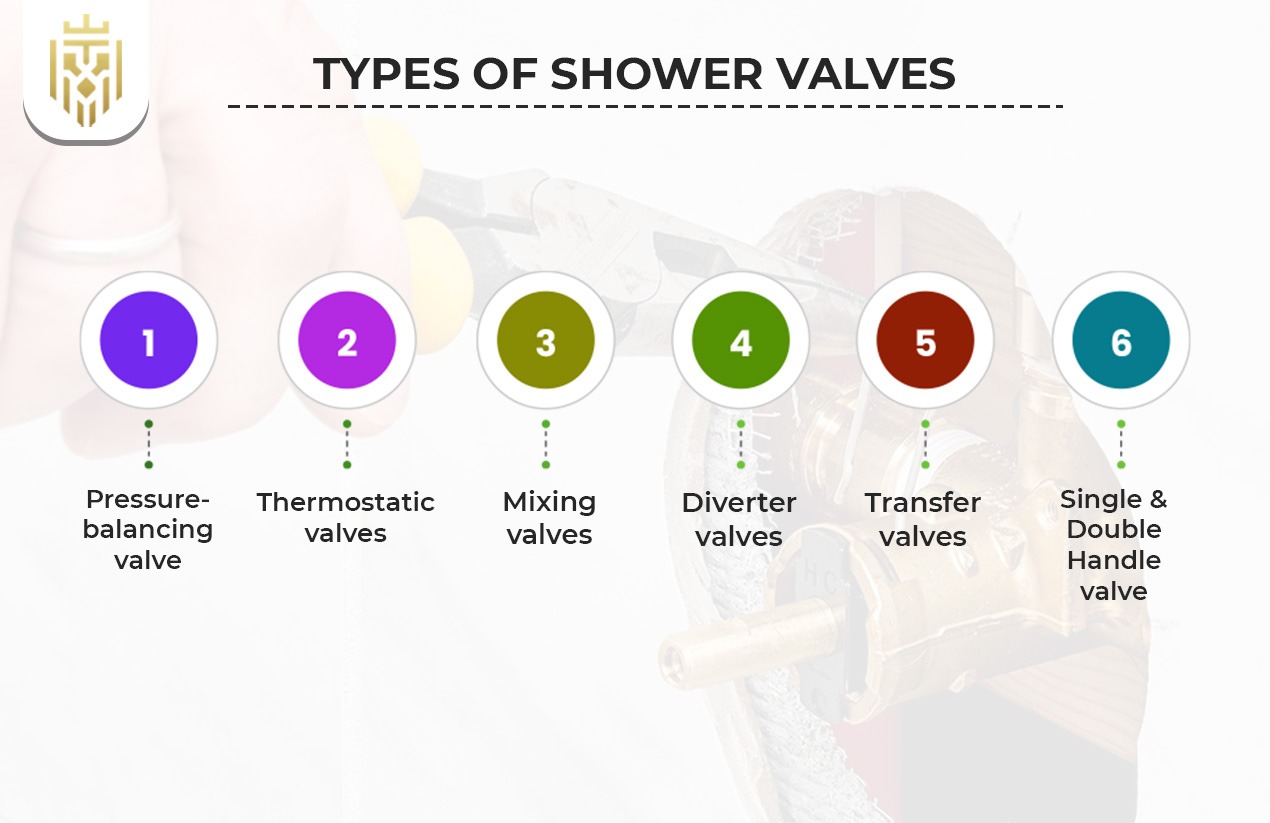
Pressure-balancing valve
The type of this valve is such that it will bring to you a constant water temperature by shifting the pressure of hot and cold lines. It is good for a house where water pressure is not stable most of the time. One of the advantages that comes with it is preventing drastic temperature changes that may lead to scalding during the use of water.
Thermostatic valves
The thermostatic valves are such that you are imprecisely setting the water temperature that is constant even if the pressure varies. These valves are best suited to modern bathrooms with advanced amenities. They provide an extra layer of safety and are very convenient, especially when there are children or elderly people at home.
Mixing valves
Mixing valves mix the hot and cold water before it comes out of the showerhead. They are simple but efficient and are usually found in the older plumbing systems. Even though they are simple, they may need adjustments regularly to achieve the desired temperature.
Diverter valves
The diverter valve is a valve that can redirect the flow of water among the outlets such as tub spout and a shower. They play a vital role in setups where the bathtub and shower are combined. With the correct maintenance, the diverters can prolong the lifespan of your shower system through the reduction of internal strains.
Transfer valves
The use of transfer valves enables various shower functions to run at the same time, for instance, a rain shower along with a handheld sprayer, etc. They are most often found in lavish or multi-outlet showers. Such valves provide additional options and enhance the whole shower experience.
Single & Double Handle Valve
Single-handle valves either increase or decrease the temperature and flow with one lever while double-handle ones have different controls for hot and cold water. The decision between them lies on your design choice and plumbing compatibility. Double-handle varieties usually give the user better control over the temperature but might occupy more wall space.
When Should You Replace a Shower Valve?
If you find any leaks behind the wall, have poor temperature control or have low water pressure, then it is very likely that your valve needs replacement. A stiff handle or difficulty in mixing the water are also warning signs. It is always better to replace the valve early, as that prevents hidden water damage and shower inefficiency for a long time.
How to Replace a Shower Valve?
Replacing a shower valve might sound complex, but with the right tools and steps, it can be done efficiently. Always start by ensuring safety, turning off water supply lines, and verifying pressure relief before beginning work.
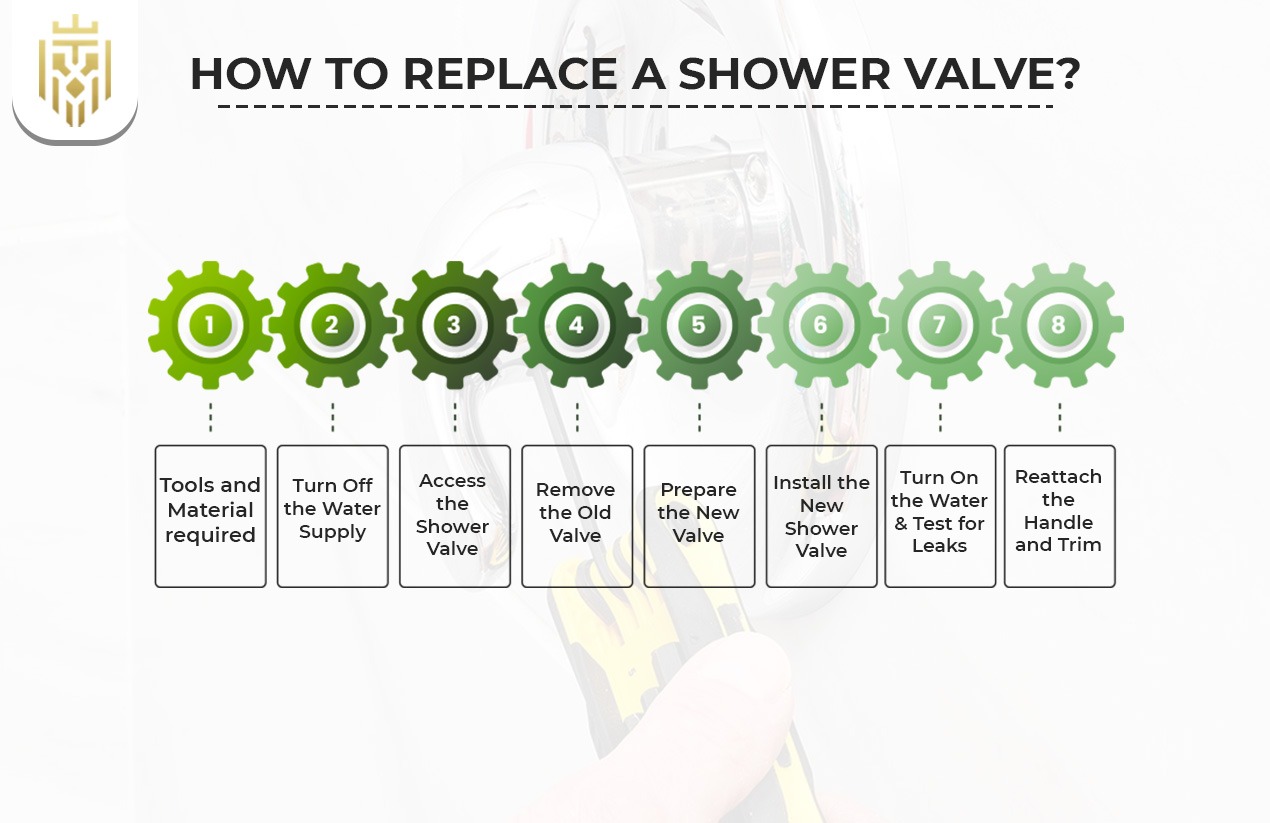
Tools and Material equired
The replacement of a shower valve requires an adjustable wrench, screwdriver, utility knife, plumber’s tape, pipe cutter, and the new shower valve. Having these tools and materials ready to use avoids interruptions during the replacement process. A towel or bucket nearby can help you with managing excess water that drains from the pipes.
Turn Off the Water Supply
Turn off the main water valve or the local supply to your bathroom. It would be wise to do it this way to avoid water from spraying once the old valve is removed. Always check by turning on the shower to make sure that the water flow has stopped completely.
Access the Shower Valve
Take off the shower handle, escutcheon plate, and any covering around the valve area. You may have to cut through drywall or tiles to get access to the plumbing. Be careful not to damage the surrounding pipes or fixtures during this step.
Remove the Old Valve
As soon as the old valve becomes visible, use a wrench to loosen it and take it off along with the fittings. If it is soldered, then detach it carefully with a pipe cutter or heat gun. Always clean the area and get rid of any leftover solder or debris that is not needed for the new installation.
Prepare the New Valve
Verify that the new valve fits correctly and is in line with your plumbing configuration. Make a seal with plumber’s tape on the threaded ends so that they are not screwed well. It is important that the valve is set in the right orientation before connecting.
Install the New Shower Valve
Connect the new valve to the pipes securely and tighten it using a wrench. The hot and cold sides should be double-checked to be aligned correctly. A good and even fit will not only provide optimal flow but also reduce the risk of leaks.
Turn On the Water & Test for Leaks
Gradually turn on the water again and look for any drips or redness around the joints. Check the water control and pressure to be sure everything is working fine. If you see leaks, you can either tighten the fittings or apply some more tape in places where it is necessary.
Reattach the Handle and Trim
After testing is done, put back the handle, trim, and any decorative parts. Check that everything is tight and operates nicely. A clean finish will not only enhance the look of the bathroom, but it will also make it last longer.
FAQs
1) How to Replace a Shower Valve?
First of all, turn off the entire water supply, and then remove the handle and trim, access the valve, and replace it with the correct fittings. Always check for leaks before sealing the wall. If you follow the right procedures, you will get a durable and efficient installation.
2) When Should You Replace a Shower Valve?
If you experience leaks, inconsistent water temperature, or low pressure, then it is time to replace the shower valve. Preventive replacement will not only save you from major plumbing repairs, but also it will be a small upgrade that adds to your daily comfort and saves more water.
3) What Is a Shower Valve?
In fact, a shower valve is a bathroom fixture that has the function of mixing the cold and hot water to keep the temperature and the flow steady. It is a must-have for every shower since it is the main factor of comfort and safety during this period. Proper care will keep it working properly for many years.
4) What are the different types of shower valves?
The predominant types consist of pressure-balancing, thermostatic, mixing, diverter, transfer, and single or double-handle. Each one is made for different functions depending on the layout of your shower. Selecting the proper one will give you both outstanding performance and aesthetics.