What Is a Clover Lawn?
Clover lawn is an eco-friendly and natural grass replacement for the conventional grass lawns, which provides a green lawn that requires little maintenance. It is a low-maintenance and drought-resistant grass, designed with clover grass or clover seeds, thus being green even during dry seasons and pollinating birds.
Types of Clover for Lawns
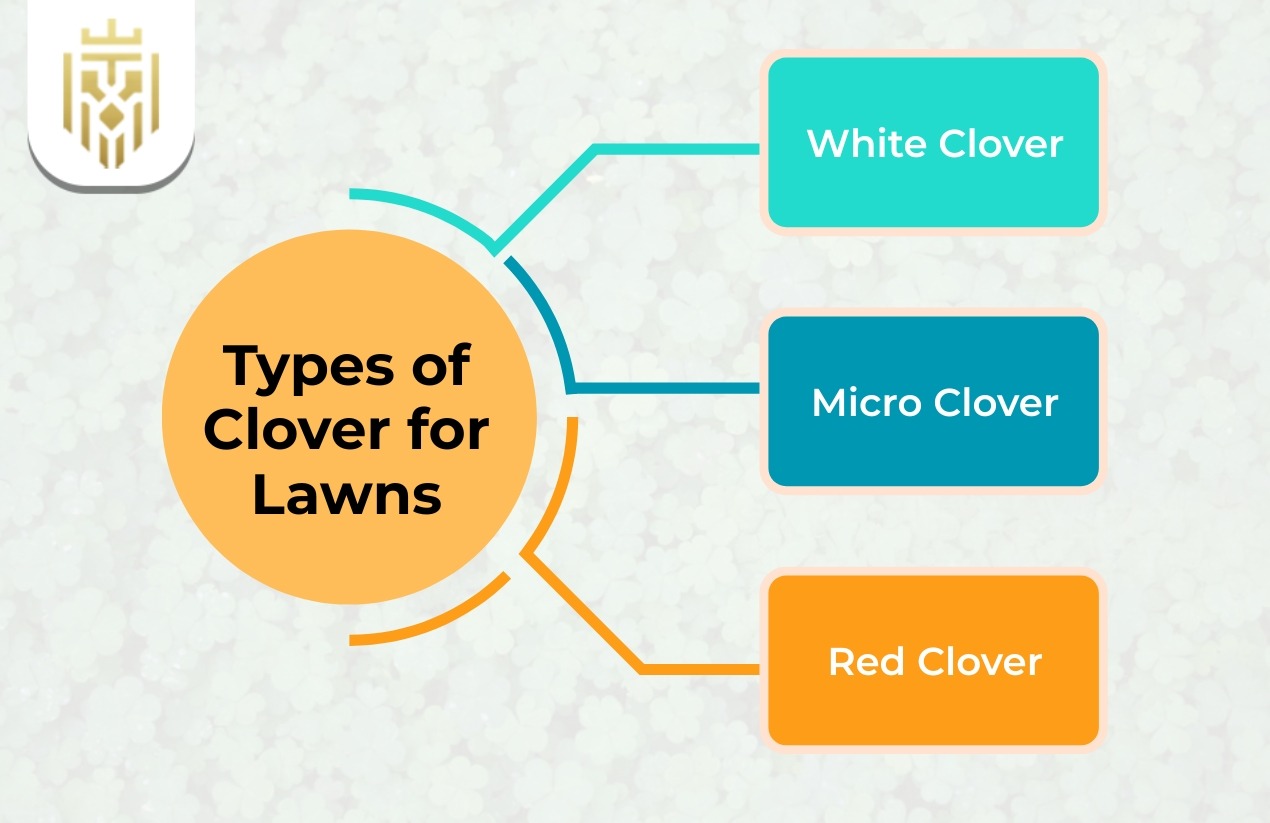
Lawns have a variety of clover varieties that provide different textures and growth patterns. The most popular options would be white clover, micro clover, and red clover, which vary in their size, distribution, and maintenance requirements and will offer flexibility in the creation of an environmentally friendly and resilient alternative to the lawn.
White Clover
White clover is a type of clover grass lawn that is the most prevalent, and it is a dense cover with the ability to fix nitrogen. It grows in an assortment of soil types, is drought resistant, and also helps in lowering the use of fertilisers coupled with a low-maintenance turf that is durable.
Micro Clover
Micro clover is a smaller form of white clover which mixes with traditional grass well. It has low flowering and has a monotonous look. The eco-friendly plant enhances the health of the soil and gives it a soft, low-maintenance ground that is perfect to have in lawns and recreational areas.
Red Clover
Red clover is larger with colourful flowers and is suitable in the natural landscapes or decorative areas. Although it is not as popular as lawns, it enriches the soil, attracts pollinators and is also an environmentally friendly lawn alternative that has great drought-resistant properties.
Benefits of a Clover Lawn
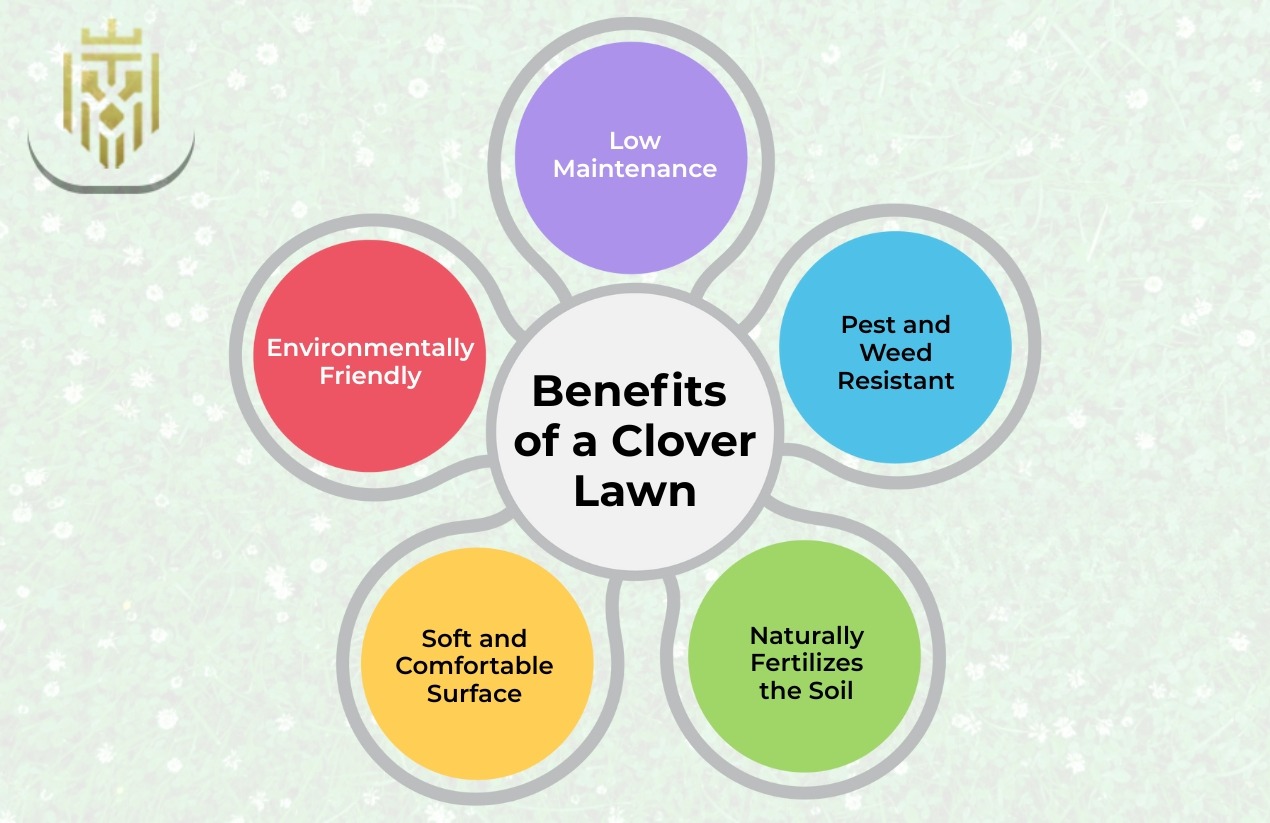
The advantages of a clover lawn are improved soil fertility, low maintenance required and drought resistance. This is an eco-friendly type of lawn that consumes less water, removes dependence on fertilisers and promotes biodiversity, and it is also a good substitute lawn that is aesthetic and sustainable.
Low Maintenance
Clover grass lawns need less care than traditional grass. It requires minimum mowing, no fertilisation and reduced watering. It is drought resistant and therefore would be very suitable for homeowners who want to have a low-maintenance and environmentally friendly solution to achieve a green and rich yard.
Pest and Weed Resistant
The weeds are naturally contained by clover lawns, and they keep the pests away, which means that chemical treatment is used less often. This helps in making the ecosystem healthier and the environment clean. The clover grass cover will make sure that few weeds develop, and it will sustain a balanced and environmentally friendly outdoor environment.
Naturally Fertilizes the Soil
A clover grass lawn is self-sufficient in terms of supplementing soil with nitrogen, which fixes on the soil and avoids the use of synthetic fertiliser. Nitrogen in the air is changed to nutrients by clover grass, thereby making the soil fertile. The process helps in sustainable practices in the alternative of the lawns and in maintaining the turf vibrant and healthy throughout the year.
Soft and Comfortable Surface
A lawn of clover grass is comfortable to walk on, and it suits children and pets. Its thick, plush cushion texture provides comfort and is eco-friendly and no-maintenance, providing an appealing and robust lawn alternative in outdoor relaxation and recreation.
Environmentally Friendly
By opting to have a clover lawn, one would be helping in home business sustainability through the decrease of water, fertiliser and carbon footprint. It enhances biodiversity and is environmentally friendly and drought resistant as per the nature-friendly landscaping ideals.
Things to Know Before growing Clover Lawn
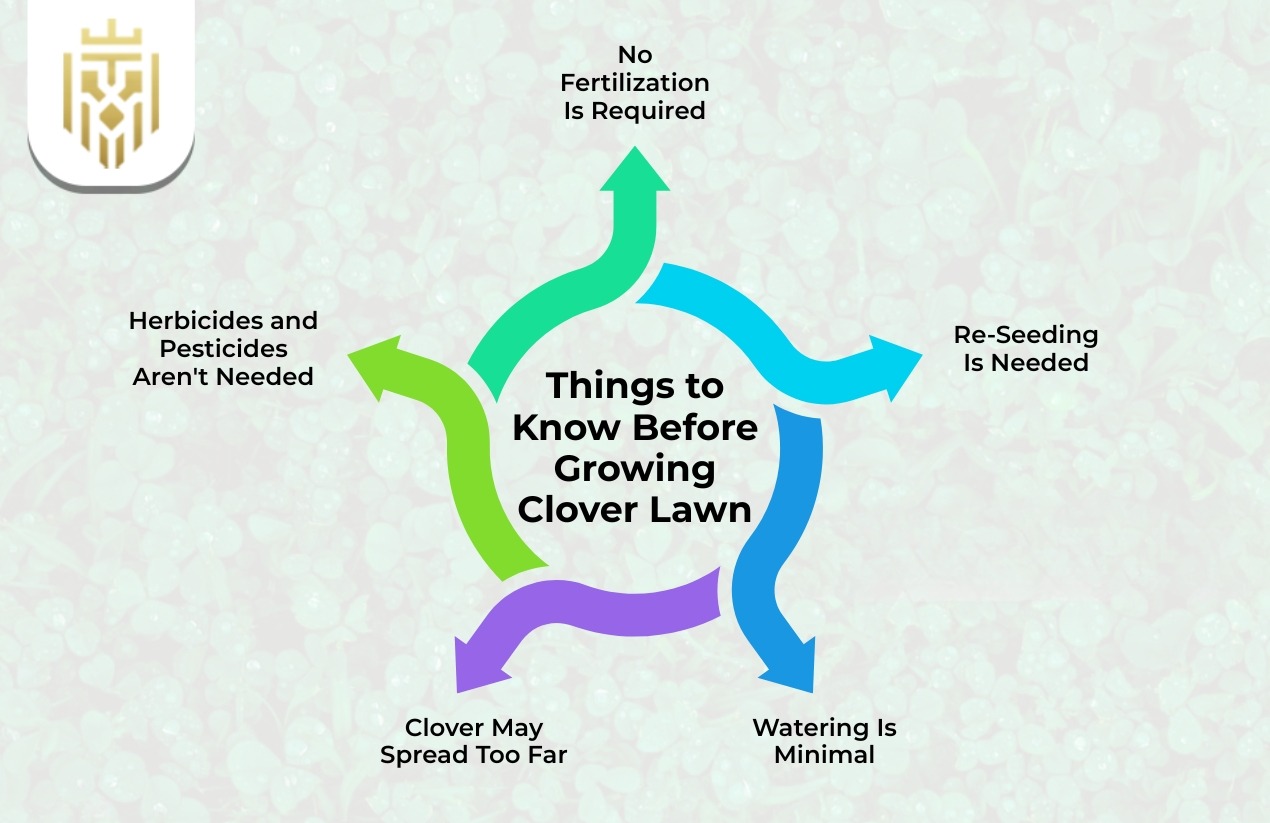
Learn about the spreading nature and maintenance requirements of a clover lawn before planting it. Although clover grass does not need a lot of maintenance, it needs periodic reseeding and surveillance. The lawn type is eco-friendly and it promotes sustainability and a low cost of taking care of the yard over the long term.
No Fertilization Is Required
Clover grass lawn does not require the use of chemical fertilisers since it self-fertilises by fixation of nitrogen. This is a natural process that makes it eco-friendly, low maintenance and cost-effective because it keeps a lush green appearance without affecting the environment or the quality of soil.
Re-Seeding Is Needed
Regular reseeding will assist in having a uniform clover lawn. This gives good growth and coverage by using clover seeds. This low-maintenance measure is simple and increases the longevity of your alternative to using a lawn as well as its beauty as it remains fresh and vibrant all year round.
Watering Is Minimal
The clover grass lawn needs minimal watering after being planted, owing to the drought resistance. This green feature helps in the use of less water and encourages low-maintenance landscaping that will not use a lot of resources but will still maintain the greenery or the beauty.
Clover May Spread Too Far
Clover lawns can spread outside the designated zones, which is one of the factors to consider. Nevertheless, the natural growth of this eco-friendly plant allows filling in vacant areas, leaving no spots bare and providing a dense, low-maintenance surface of green.
Herbicides and Pesticides Aren’t Needed
A clover grass lawn is self-sufficient, as it resists pests and weeds without the use of severe chemicals. This renders it environmentally friendly and pet as well as family safe, which further supports its image as a low-maintenance and sustainable alternative to grass.
How to Plant Clover Seeds?
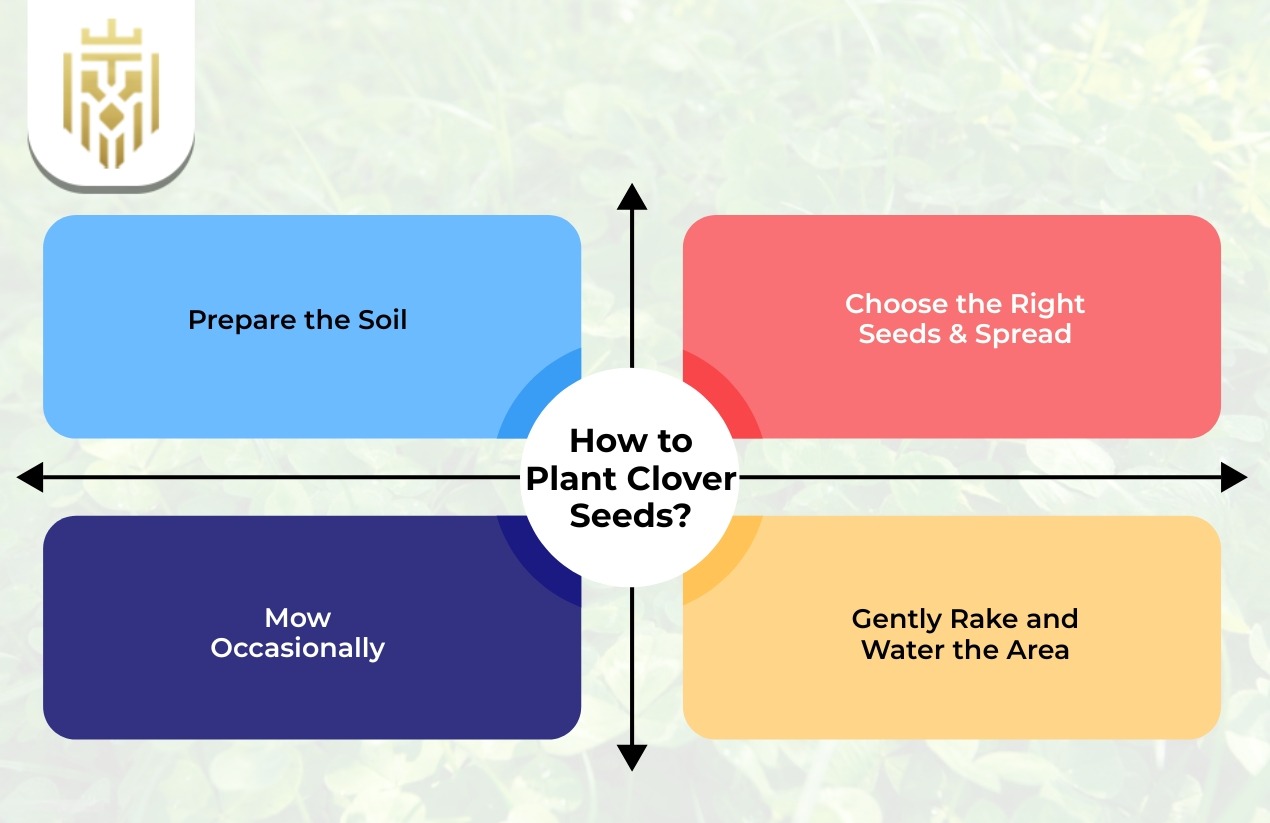
Clover is an easy and cheap seed to plant. This is an environmentally friendly activity that requires the preparation of the soils, even layering of the seeds, sprinkling of the gardens and less maintenance. This ultimately makes the lawn lush, drought-resistant clover grass that has reduced maintenance.
Prepare the Soil
Start by turning the soil to enhance germination of clover seeds. Eliminate trash and aerate to have even growth. Good soil ensures good roots, and also it supports a low-maintenance, green-friendly clover grass lawn.
Choose the Right Seeds & Spread
It is important to choose the appropriate clover types to be used in lawns, such as the white clover or micro clover. Sow clover evenly to achieve even coverage. This will produce a few grass substitutes that are green and sustainable.
Gently Rake and Water the Area
Sow clover seeds, then rake the soil gently in order to have good contact with the seed and sprinkle with water. This helps in germinating and making the lawn germinate eco-friendly, drought-resistant and resilient clover grass, which develops fast.
Mow Occasionally
A grass lawn requires a lot of mowing in contrast to the clover lawn. Occasionally trim to achieve consistency. This is a low-maintenance environmentally friendly method that keeps your clover grass landscape healthy and looking beautiful with minimal effort.
FAQs
1) What is a clover lawn?
Clover lawn is a low-maintenance and environmentally friendly alternative to grass composed of clover grass, which remains green; it resists drought, and it naturally improves soil.
2) What are the different types of clover for lawns?
White clover, micro clover and red clover are some of the common types of clover that are used as lawns and are associated with their distinct advantages, such as stability, fixation of nitrogen and rich drought-resistant green cover.
3) What are the different types of clover lawn ideas?
Some of the concepts of clover lawns are full clover grass lawns, mixed micro clover and turf systems or ornamental areas with white clover to create soft and eco-friendly landscaping designs.
4) How to plant clover seeds?
To plant clover seeds, plough soil, scatter clover seeds evenly, and sprinkle with water. It is a low-maintenance process of growing a lush, drought-resistant lawn made of clover grass, which is eco-friendly.
5) What are the benefits of a clover lawn?
Clover lawn has the following advantages: it requires minimal maintenance, it has resistance to pests, it grows well in dry environments, and it is naturally self-fertilizing; therefore, it is a cheap, green and sustainable alternative to the lawn.