
What is crabgrass on a lawn?
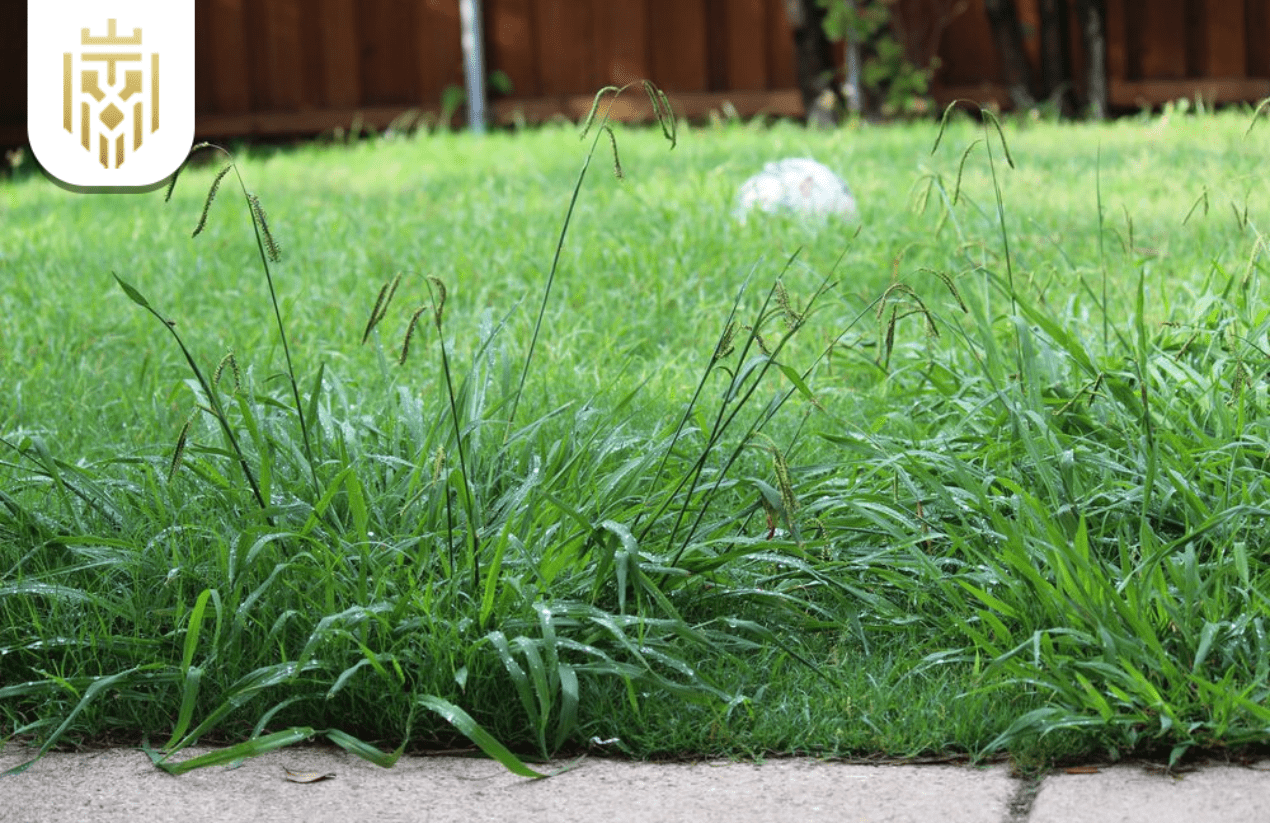
Crabgrass is recognized as a common annual weed that can easily adapt to warmth, sunlight, and poor soil conditions. It is very different from regular grasses as instead of growing upwards, crabgrass spreads horizontally giving it a low profile and at the same time, thick, branching stems. It starts to germinate by the end of spring and can soon cover bare or weak spots in your lawn if not controlled.
This troublesome weed draws off water, nutrients, and light from your grass thus causing the grass to grow unevenly and produce dark patches. It has a prolific seed production rate and thus by the close of summer, it can have thousands of seeds scattered around which cannot be avoided by the infestation the next season. Knowing crabgrass well and its behavior are the primary steps to successful removal and prevention.
How To Get Rid of Crabgrass in Lawn?
Eliminating crabgrass requires a mix of manual effort, strategic timing, and proper lawn care practices. Since it grows fast and spreads easily, addressing it early in the growing season can make all the difference. Below are several proven methods to get rid of crabgrass and restore your lawn’s health.
Pull Crabgrass by Hand (For Small Areas)
The most natural way to get rid of crabgrass if it only grows in very small patches is to pull it out manually. Always remove the whole root system to stop further growth, ideally when the soil is wet from watering or rain. If necessary, use a weeding tool or trowel to break up the soil before pulling out the weed and getting rid of it right away, and thus, preventing the intimation of further seeds. Keep inspecting your lawn often and carry out the inevitable pulling of weeds while they are still new to ensure that your yard stays healthy and crabgrass-free.
Apply Pre-Emergent Herbicides
Pre-emergent herbicides act as a barrier in the soil and thus stop the seeds of crabgrass from germinating. For the best results, apply them in the spring, when the soil temperature is still below 55°F. After that, make sure to water it lightly to facilitate the activation without disturbing the soil. Pre-emergents, which come in the form of either granules or liquids, work their best when combined with lawn care support, nutrient supply, and aeration which is consistent.
Apply Post-Emergent Herbicides
When the crabgrass is already growing, post-emergent herbicides are meant to be applied; they will kill the weeds but won’t harm the majority of the turf grasses. Mid to late summer when the plants are actively growing is the right period for the application, and you must make sure that the lawn is dry before the treatment and avoid mowing for two days after that. Thus, reading the product instructions and following them precisely is essential, and if there are still stubborn patches, you can reapply. It’s better to use selective herbicides as they effectively attack the crabgrass and do not harm your lawn.
Reseed Bare Areas
Crabgrass tends to grow in thin or bare lawn patches, so reseeding is essential after removal. Loosen the soil, add compost for better germination, and spread grass seeds suitable for your region’s climate. Water lightly and keep the area moist until new grass establishes. A dense, healthy lawn naturally prevents crabgrass from returning and improves your lawn’s overall appearance.
Natural Ways To Get Rid of Crabgrass
For homeowners who prefer eco-friendly methods, there are several natural remedies to control crabgrass effectively without using chemicals.
Use Corn Gluten Meal
Corn gluten meal is a green pre-emergent herbicide that hinders crabgrass seedling and at the same time, enriches the soil with nitrogen. Apply it uniformly in early spring just before the crabgrass starts to grow, then lightly water it to make it work. Do not reseed immediately after, because it can also stop the germination of grass seeds. For the best results, apply once or twice a year to keep your lawn healthy and to prevent the recurrence of weeds.
Vinegar Spray
Vinegar spray is a very strong natural agent when it comes to killing existing crabgrass. Combine horticultural vinegar (20% acetic acid) with a few drops of dish soap and spray immediately on the weeds when it’s sunny outside. Take care to spray only on crabgrass, as vinegar can kill the surrounding grass. This treatment is most effective for small areas, and you will probably have to apply it a few times before you get rid of the weeds.
What Causes Crabgrass in the Lawn?

Crabgrass doesn’t appear by chance — it’s usually a sign of underlying lawn issues. Identifying what’s causing crabgrass growth can help you correct the problem and prevent future outbreaks.
Mowing the Lawn Too Short
When you mow your lawn too short, the grasses are weakened and the soil is allowed to bask in the sun, which is exactly what the crabgrass seeds need to germinate. Always make sure you cut your lawn at the height recommended for its type – this is usually between 2.5 and 4 inches. The taller grasses to the shade of the soil, thereby making it cooler and less favorable for the weeds to grow.
Over watering or Underwatering
Watering inconsistently will not only lead to weak roots but patchy growth and thus give the crabgrass an opportunity to invade. Watering too much leads to the roots developing shallowly, while, on the other hand, underwatered grass will have dry and bare spots. Watering once or twice a week deeply is the best way to encourage root development that goes deeper and at the same time uniformly maintain the coverage.
Poor Soil Health
Poor and compacted soil keeps the grass struggling for existence which is the time when crabgrass comes in. Every season your soil’s pH and nutrient levels should be tested and, if necessary, the soil should be amended with organic matter or compost. Once or twice a year aeration is also beneficial as it increases airflow and nutrient uptake, thus making the turfgrass able to produce stronger roots.
Lack of Nutrients
A lawn that is deficient in the important nutrients such as nitrogen and potassium gets weak and thin. This, in turn, gives the crabgrass a cozy spot to grow. You should apply fertilizer to your lawn on a regular basis, and use a balanced, slow-release fertilizer that allows for the steady growth. Always stick to the manufacturer’s directions and dosing to avoid burning your grass or encouraging weeds by over-fertilizing.
Warm Weather
Crabgrass is a plant that loves the heat, and it can easily conquer when the temperature is over 80°F. This is one of the main reasons why it is so noticeable during the late spring and summer. It is extremely important to keep your lawn well-watered, dense, and using pre-emergents before the warm weather sets in, as these can significantly lessen the weed’s opportunity to spread.
How To Prevent Crabgrass from Coming Back
Getting rid of crabgrass once is only half the battle, preventing it from returning next season is equally important. With a few consistent lawn care habits, you can keep your lawn lush, green, and crabgrass-free year after year.
Mow at the Right Height
Proper mowing is the very first and most important step in crabgrass control. The practice of keeping your lawn slightly taller not only shades the soil but also prevents the crabgrass seeds from getting enough sunlight to sprout. In addition, it promotes deeper roots and healthier plants. Regularly sharpen your mower blades and don’t mow when the grass is wet, as it may cause uneven cuts and damage.
Water Deeply and Less Often
Watering shallowly but frequently encourages weak grass and weed proliferation. In contrast, conduct deep watering once or twice a week for strong root systems. Early morning time for watering is perfect because it cuts down on evaporation and helps grass get moisture in an efficient way. Maintaining a consistent watering schedule will prepare your lawn to withstand heat and drought; both conditions are favorable for crabgrass.
Fertilize Properly
A robust lawn is the one that grows thickly and naturally fights the weeds. Spring and fall are the times when quality lawn fertilizer should be used to supply essential nutrients. Take care not to apply too much the excess fertilizer may result in the opposite; encouraging weed growth rather than grass health. Always abide by the guidelines on the fertilizer packaging and think about doing a soil test to determine your lawn’s exact nutrient preferences.
Over seed Annually
Overseeding not only fills in the gaps where the grass is thinner but also increases the density of your lawn making it impossible for crabgrass to grow. The fall season is the best time for overseeding because the weather is cooler and there is less competition from weeds. After the seeds are spread, water lightly but consistently for two weeks or until the new grass is visible. The thick, healthy lawn will be the most efficient and natural barrier to the invasion of crabgrass.
FAQs
1) What is crabgrass in a lawn?
Crabgrass is considered a notorious annual weed, which grows very fast and is a great spreader. It takes over the lawn in the warm summer months and spreads in such a way that if not removed, it suffocates and takes the place of the existing healthy turf.
2) How to get rid of crabgrass in the lawn?
For small crabgrass areas, the best method is manual removal; otherwise, for larger areas pre-emergent and post-emergent herbicides are to be used. Also, the maintenance of a thick and healthy lawn through proper practices of mowing, watering and fertilizing will keep the crabgrass from returning.
3) What are natural ways to get rid of crabgrass in my lawn?
Organic solutions comprise the application of corn gluten meal to cease seed germination and vinegar spray to eradicate existing weeds. Regular upkeep and reseeding play a substantial role in strengthening your lawn naturally.
4) How to prevent crabgrass from coming back?
Prevent crabgrass by proper mowing, deep watering, giving regular fertilizers and filling up the bare spots with overseeding. Another practice that can help a lot is applying pre-emergent herbicides every spring, which prevents new growth by killing it before it even starts.