What Are Mushrooms in Lawns?
Mushrooms in lawns consist of the visible fruiting bodies of fungi that are already present underneath the soil surface. These fungi flourish in wet, dark places where dead organic material exists; they feed on dead roots, mulch, and leaves. Under appropriate conditions, usually after heavy rain or watering, the fungal spores will bear mushrooms above ground.
Though they are signs of a healthy ecosystem and assist in decomposing organic matter, their large presence can give a neglected look to the lawn. More importantly, they might reveal poor lawn management practices like overwatering, insufficient light, or compacted soil. To know what they are is a major step toward controlling their presence.
Types of Mushrooms Found in Lawns
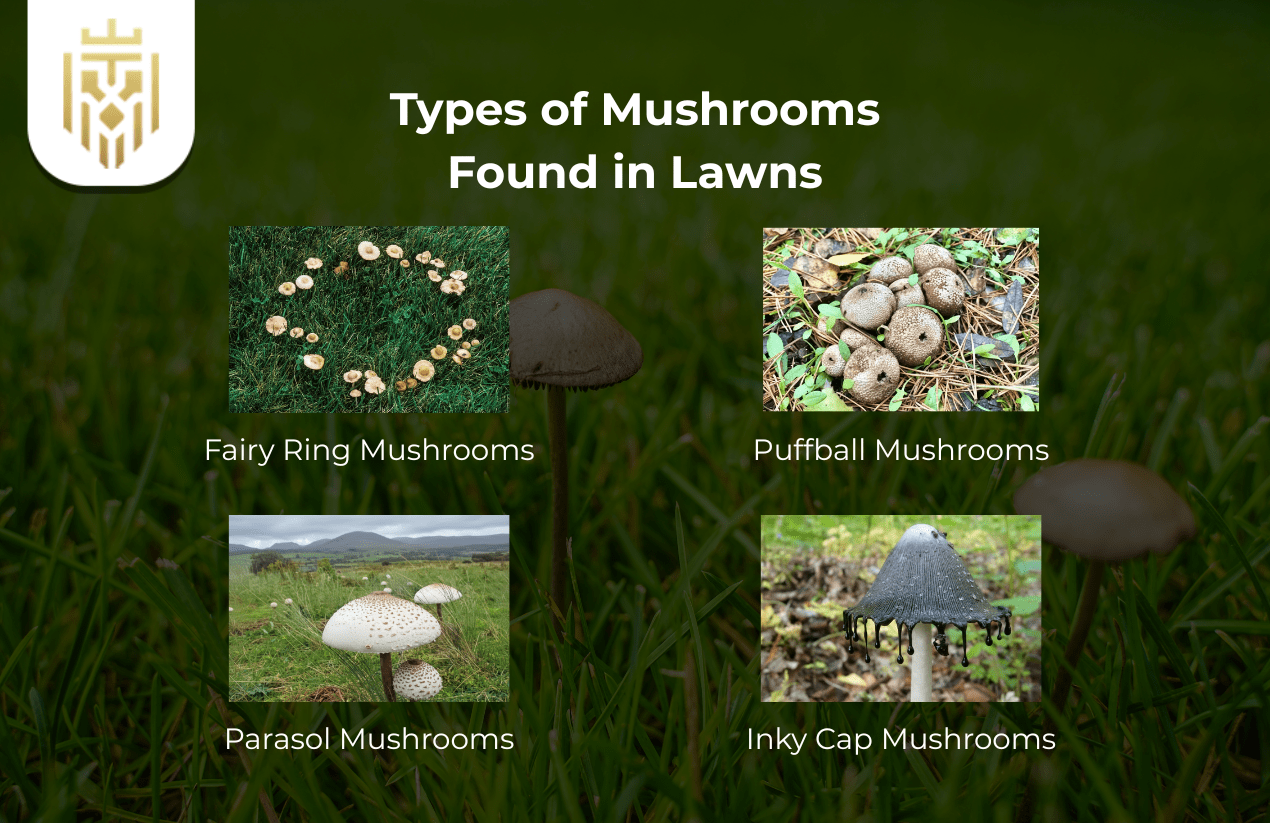
Not all mushrooms are the same. Different varieties thrive under unique conditions, and identifying them can help pinpoint what’s causing their growth. Here are some of the most common types found in residential lawns.
Fairy Ring Mushrooms
Fairy ring mushrooms create distinct circular or semi-circular rings on the lawn. Grass that is found within or surrounding these rings usually becomes darker in color and more luxuriant. This is because the nitrogen released by the fungi as they decompose organic matter underground gets absorbed by the grass. Despite being unfairly tagged as ugly, these rings do spread and destroy the grass roots by making the ground undulated.
However, fairy rings can last a long time and even require aerobic soil treatments and intensive irrigation to stop the fungal cycle. Soil replacement may be required in extreme cases where the uppermost span of the soil layer is replaced.
Puffball Mushrooms
Puffball mushrooms are of round and white, and they have a sponge-like surface. They are generally found scattered over lawns, and their size can vary from a couple of millimeter-sized spheres to several inch-wide balls. The moment they reach maturity, they produce a discharge of brown spores, which, if stepped on, are disturbed, and this in turn spreads the fungus further.
Nevertheless, they are not dangerous but should be removed quickly; otherwise, they will burst, and their spores can easily contaminate other parts of the lawn.
Inky Cap Mushrooms
Inky caps are the long, slim mushrooms that disintegrate into black, ink-like liquid as they grow—thus the name. They usually grow after it rains, especially where the ground is poorly drained or where there are rotting logs underground. Their short life makes them less of a nuisance, but they indicate soil that is too wet. Making the area drier and bringing more light can prevent them from coming back.
Parasol Mushrooms
Parasol mushrooms are large and umbrella-shaped, resembling the parasol they’re named after. They typically appear in nutrient-rich soil with decaying matter. Although some parasol mushrooms are edible, they should not be handled or consumed unless identified by an expert, as they can resemble toxic species. Their growth can be controlled by removing organic debris from the soil and improving air circulation within the grass.
What Causes Mushrooms to Grow in Lawns?
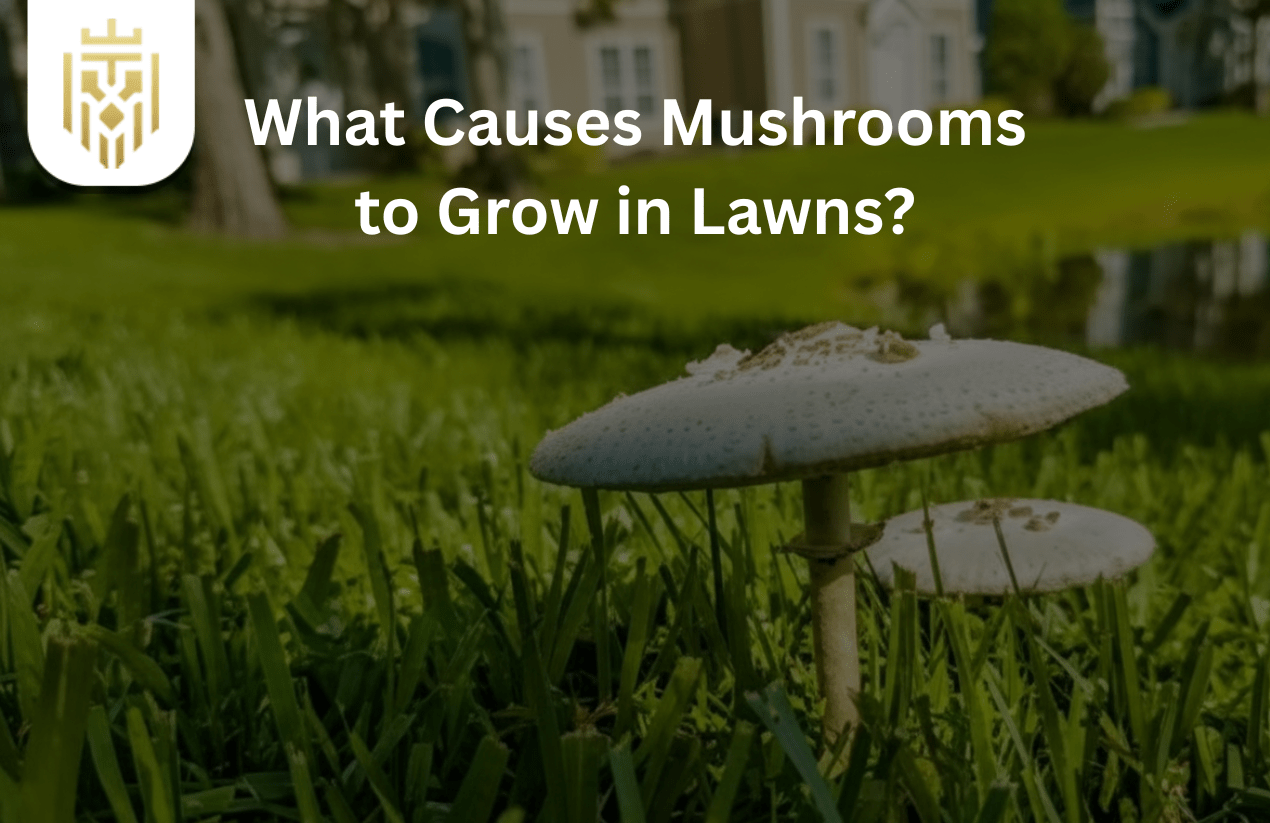
To effectively get rid of mushrooms, it’s important to understand the environmental factors that encourage their growth. Several conditions make lawns an ideal breeding ground for fungi.
Excess Moisture
Mushrooms need dampness to survive and flourish. Watering too much, heavy rains, or poor drainage can bring about moist soil, which is the fungi’s habitat. Wet lawns for a long time let spores germinate and mushrooms grow quickly. Proper watering and good drainage can help in maintaining soil moisture balance.
Decaying Organic Matter
Decomposing materials like dead roots, mulch, leaves, and wood fragments are the food of fungi. In the process of breaking down the materials, mushrooms appear as part of the reproductive cycle. Fungal growth is more confined in lawns that have organic matter buried under them. Clearing away organic debris on a regular basis and dethatching the lawn can be helpful in reducing the fungi’s food supply.
Shade and Lack of Sunlight
The shaded areas of the lawn that receive little sunlight moisture remain those areas for a longer duration than the open spaces. The shading from trees, fences, or buildings gives the moisture that mushrooms prefer. Moreover, the absence of sunlight discourages the growth of grass, which in turn gives the fungi more space to flourish. Cutting back on tree branches and improving the airflow guarantees that more light reaches, thus naturally reducing fungal growth.
Compacted Soil
Water and air movement are not possible in compacted soil; thus, moisture is trapped near the surface. This stagnant environment does not only support fungi development but also makes it harder for grass roots to breathe. Aeration is the process of breaking up compacted areas and allowing better drainage and oxygen flow. Healthier soil does not only keep mushroom growth at bay but also leads to stronger grass.
Presence of Fungal Spore
Fungal spores are ever-present in the environment. When they find suitable conditions—moisture, organic matter, and shade—they germinate and grow into visible mushrooms. Spores can also spread through wind, water, or human activity such as mowing and raking. Maintaining balanced lawn conditions helps prevent spores from establishing colonies.
How to Get Rid of Mushrooms in Your Lawn?
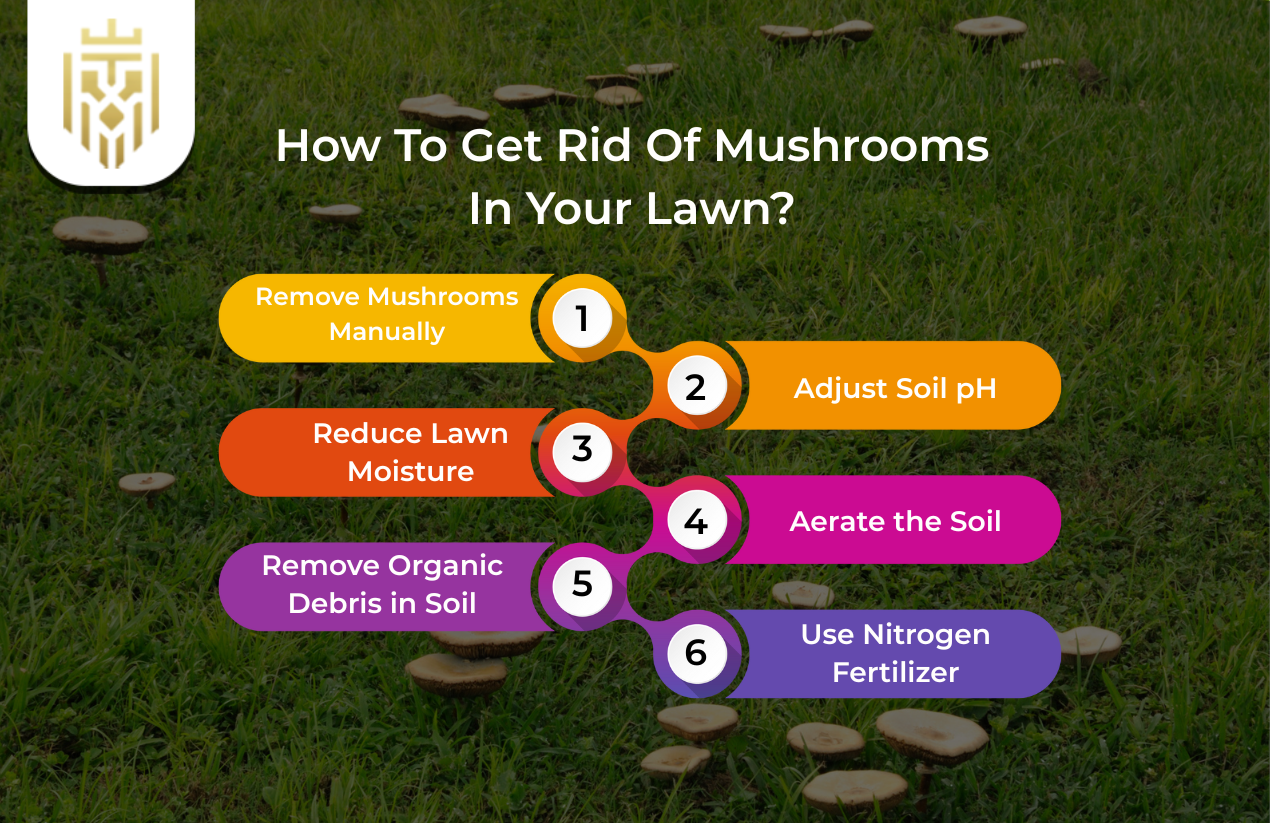
Eliminating mushrooms doesn’t require harsh chemicals. With proper maintenance, lawn care adjustments, and preventive actions, you can restore your lawn’s clean appearance and keep fungi under control.
Remove Mushrooms Manually
One of the easiest and most powerful methods is to manually remove mushrooms. Use gloves to take them as soon as they come out and put them in a closed bag. Do not mow over mushrooms, as this can distribute spores around the lawn. Keeping a regular check on your lawn and getting rid of mushrooms at an early stage stops their reproduction.
Reduce Lawn Moisture
Since the growth of fungi is accelerated by moisture, it is very important to control the water supply. Water the lawn thoroughly but less often, ideally once or twice a week, so that the soil can dry out in the middle of the watering cycle. Watering should be done early in the morning to allow the sun to evaporate the extra moisture during the day. Proper drainage systems or gentle slopes can be created to reduce water accumulation even more.
Remove Organic Debris in Soil
Rake the leaves, take away the decaying mulch, and get rid of the any buried organic matter that can feed the fungi. If the mushrooms are still growing in certain areas, dig a little to see if there are any decomposing roots or wood fragments. Disposing of these hidden materials cuts off the fungi’s nutrient source. Composting the waste away from the lawn prevents the spores from returning to the soil.
Adjust Soil pH
Mushrooms like conditions that are slightly acidic. Knowing the pH of your soil will let you know if any changes are required. The application of lime will raise the alkalinity, and thus the favorable environment for fungal activity will be eliminated. Keeping the pH level balanced also provides a good environment for grass to grow strong. Simple soil testing kits are available in garden stores that can help you monitor these levels.
Aerate the Soil
Aeration involves making small holes in the soil to improve air, water, and nutrient circulation. This reduces compaction and helps grass roots grow deeper. As oxygen levels improve, fungal spores find it harder to survive in the soil. Aerating once or twice a year, especially before rainy seasons, can significantly reduce mushroom infestations.
Use Nitrogen Fertilizer
A nitrogen-rich fertilizer speeds up the decomposition of organic matter, depriving fungi of their food source. At the same time, it encourages strong, vibrant grass growth that naturally outcompetes unwanted fungi. Apply fertilizer according to recommended dosages to avoid overfeeding the lawn. Slow-release nitrogen fertilizers are particularly effective for long-term lawn health.
FAQs
1) What causes mushrooms to grow in lawns?
The three major factors are excess moisture, decaying organic matter, and shaded conditions. Also, overwatering, poor drainage, and soil that is compacted are the practices that offer exceptional fungal growth habitats.
2) How to get rid of mushrooms in your lawn?
Hand-pick mushrooms, water less often, and let the soil breathe by aerating it. Application of nitrogen fertilizer and good drainage practices are other methods of preventing regrowth.
3) What are the types of mushrooms found in lawns?
The most common lawn mushrooms are fairy ring, puffball, inky cap, and parasol mushrooms. A fairy ring suggests poor drainage, organic decay, or excessive shade depending on the type.
4) What Are Mushrooms in Lawns?
They are fungal fruiting bodies that can be seen above ground when the spores have found the perfect combination of moisture and nutrients. Controlling them is not necessary but rather a good practice to keep your lawn clean, healthy, and appealing.