How to Install an Aluminum Fence?
The process of learning how to install an aluminum fence begins by gaining knowledge on the structure, laying out a plan, and choosing quality materials. Reasonable installation facilitates long-term performance both in residential fencing and commercial fencing projects. An aluminum fence that is properly installed is cost-effective, secure, and aesthetically attractive when compared to traditional wood or wrought iron fencing.
What is an Aluminum Fence?
An aluminum fence has high durability and resistance to rust or corrosion, created from lightweight aluminum with the capacity to be both a residential aluminum fence and a security fence that covers a wide area. It is available in many styles of aluminum fence, providing a stylish and yet durable guard of property lines, combining aesthetic value with practical functionality in one fence, and does not require the lessening of maintenance that other materials do.
How to Install an Aluminum Fence?
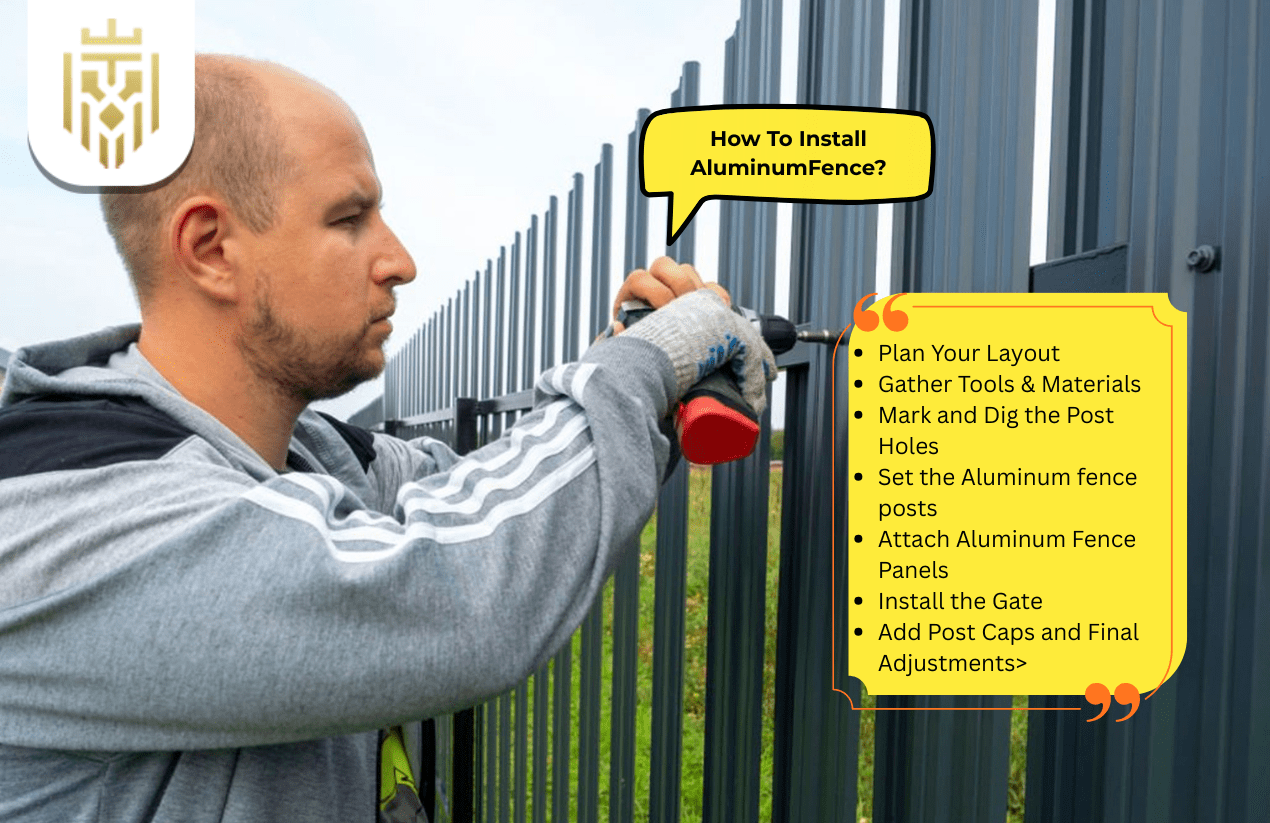
In order to install an aluminum fence properly, you require the correct measurements, the right tools, and a step-by-step process. When laying out the fence, installing fence posts, and connecting fence panels, each step needs accuracy. Proper installation methods guarantee a reliable, beautiful, and durable boundary solution for both homes and businesses.
Plan Your Layout
Determine your property boundaries and position aluminum gates before you begin installation of the aluminum fence. This will help to achieve accurate results, eliminate boundary controversies, and aid in the determination of the accurate number of fence panels and posts required. A definite strategy saves time and reduces the necessity of expensive mods later in the project.
Gather Tools & Materials
Buy the necessary equipment, such as a post-hole digger, tape measure, degree, drill, and screws. The types of materials you should have include aluminum fence panels, brackets, and fence posts. Preparedness is key! It ensures you deal with easier installation and minimal time waste and assists you in the accuracy of every phase of construction.
Mark and Dig the Post Holes
Using stakes and string, mark the locations of your fence installation. Excavate holes deep enough to stabilize aluminum fence posts (normally one-third of the height of the post). It will be steady with good alignment and will appear even when the structure is joined with the panels and gates.
Set the Aluminum Fence Posts
Insert the fence posts in their holes, and then surround them with concrete, but perfectly vertical. It is the cornerstone of any residential fencing system that determines its strength and stability. Leave the posts to settle, then work on the attachment of panels or gates to make the installation secure and permanent.
Attach Aluminum Fence Panels
Install the aluminum fence between the fence posts with brackets or screws. Uniformity in panel height is desirable to achieve a visual appeal. To make it more private, design an aluminum privacy fence, which would present a modern and sleek appearance that would ensure safety and minimize external views.
Install the Gate
Install aluminum fence gate with strong hinges so that they open and shut easily. When aligned correctly, sagging will not occur later. The gates must complement your selected aluminum fence styles to have a unified look that boosts functionality and aesthetic appeal in addition to the security advantages of the entire fence design.
Add Post Caps and Final Adjustments
Decorative caps should be secured to shield moisture intrusion into the fence posts. Final panel alignment and gate latch trim. This final step not only enhances durability but also adds a prestigious designer touch to create the long-lasting beauty and performance of your aluminum fence.
Benefits of Aluminum Fences
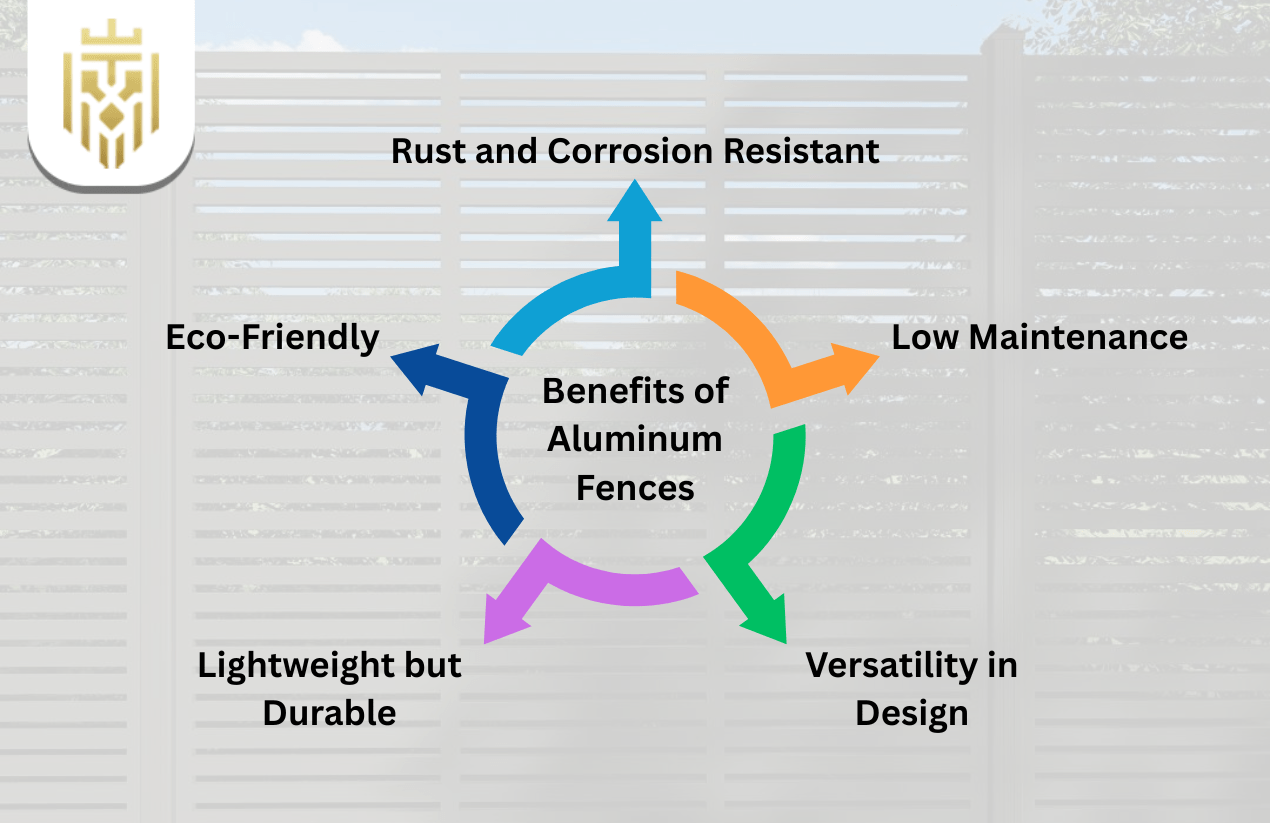
An aluminum fence is very economical in terms of its maintenance-free durability and design flexibility. It is appropriate for residential and commercial fencing, and it is tough to resist the extremes of weather, as it comes in a variety of styles that match both modern and traditional property design.
Rust and Corrosion Resistant
Aluminum does not rust or corrode as steel does. It is also perfect in coastal areas or in moist environments, both in aluminum privacy fencing and in open picket residential fencing. Its wear-combats decrease the long-term requirements of repair, guaranteeing enduring performance with no costly repairs or unique treatment.
Low Maintenance
A fence made of aluminum needs little maintenance: an occasional cleaning is generally sufficient. It does not warp, rot, or need to be repainted as wood does. This is what makes it an economical option for property owners who desire stylish and durable fencing that requires minimal maintenance throughout its years.
Versatility in Design
Aluminum fence designs range from privacy fences to traditional pickets, thus making them suitable for a wide variety of applications. You can have commercial fencing done to protect your property or opt for decorative aluminum residential fencing, with the option of customization so that you can make the fence fit in with the style of your home and the landscaping around the building.
Lightweight but Durable
Aluminum fence panels are sturdy and can take a beating despite being lightweight. This quality renders them simple to erect compared to heavier materials, lowering building costs, with the added security and good-looking appearance of a residential fence or company grounds.
Eco-Friendly
Aluminum can be recycled, so the aluminum fence installation is a green decision. The fences are manufactured using recycled materials, which decreases harm to the environment. Use of aluminum supports green construction but provides a durable, attractive, and low-care fencing solution for house and business premises.
Maintenance Tips for Aluminum Fences
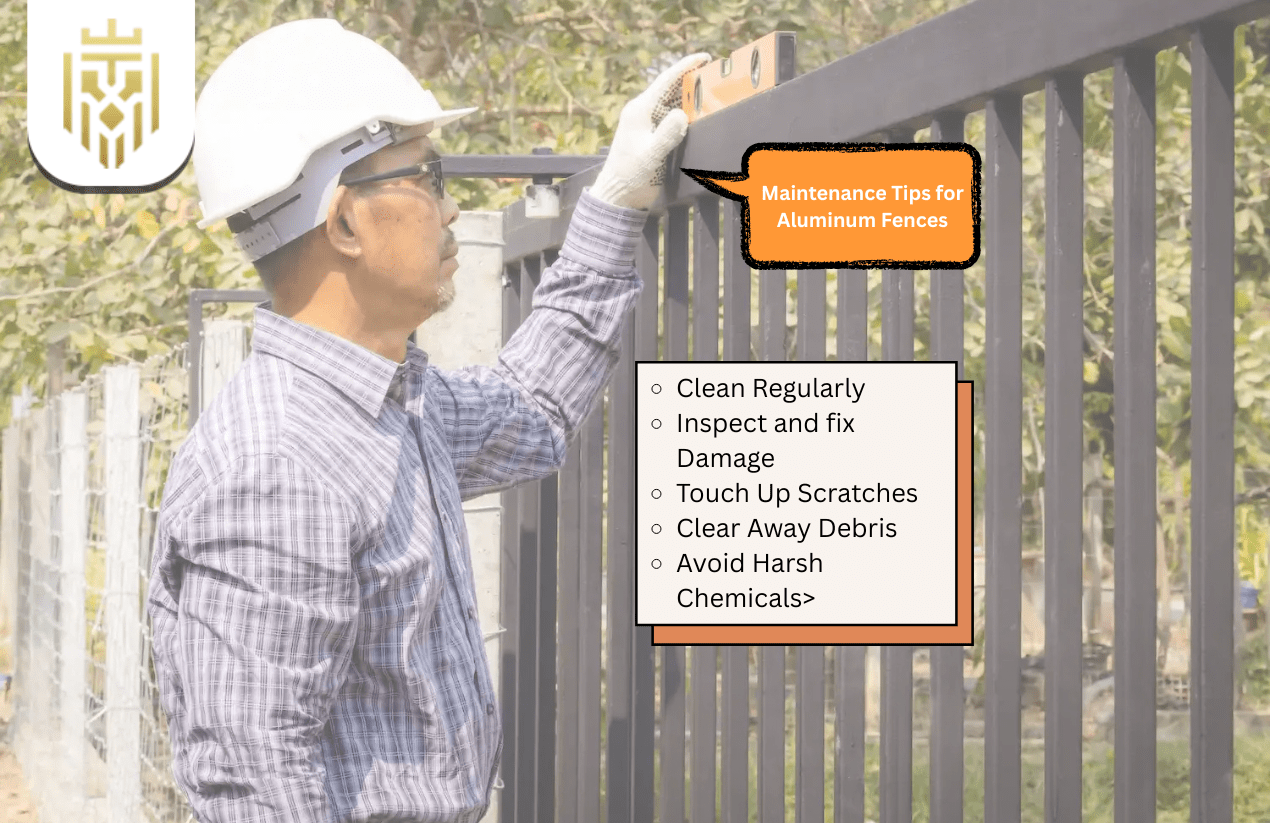
Periodic maintenance helps your aluminum fence to stay functional and look good. This can be as simple as cleaning, checking for damage, and guarding against wear when used to extend the life of fence installation investments so that they remain safe, appealing, and in good condition over many years.
Clean Regularly
To clean fence panels and posts, use warm water and a mild detergent a few times a year. In the case of residential aluminum fencing, cleaning on a regular basis will avoid the accumulation of debris, which might make the finish dull, and maintain the original color and luster of the fence in the long run.
Inspect and fix damage
Look out for any loose fence posts, broken aluminum fence panels, or rusted gate hinges. Timely repairs shun further problems, leaving your aluminum privacy fence or decorative design standing straight, fully functional, and beautiful over the years without the need for expensive replacement.
Touch Up Scratches
Apply an aluminum coat to your aluminum fence to conceal prongs. This keeps the finish clean and prevents oxidation. When dealing with aluminum fence styles that have customized color, be sure to find a matching paint to ensure that the fence does not have an uneven and worn-out look with time.
Clear Away Debris
Aluminum gates and fence posts must also be kept clean of leaves, branches, and other debris. This pile-up process may hold moisture and limit the amount of airflow, which can affect the durability of the fence. Curb appeal and smooth gate operation can also be achieved by regularly removing the debris.
Avoid Harsh Chemicals
Avoid cleaning aluminum panels with strong acids or abrasive cleaners. A protective coating can be damaged by harsh chemicals, reducing the life of the fence. Use household cleaning techniques on residential fencing to guarantee years of service life and also maintain the original finish.
FAQs
1) How to Install an Aluminum Fence?
To install an aluminum fence, lay it out, place fence posts into concrete, apply aluminum fence panels to aluminum posts, and match up aluminum gates. A correctly installed aluminum fence can be durable, stable, and exquisite for commercial or residential premises.
2) What is an aluminum fence?
An aluminum fence is a low-weight boundary that is rust-free and made of strong aluminum. It is very popular in residential fencing and commercial fencing systems on a broad front of versatile, aluminum fencing styles, low maintenance requirements, and durability, which is a factor compared with wood or steel.
3) What are the benefits of aluminum fences?
Advantages are that they are rust-resistant, low maintenance, fashionable aluminum fence designs and environmentally friendly. They work well in both residential aluminum fencing and as commercial fencing because they are secure, durable, and yet aesthetically beautiful and take less maintenance than, say, ordinary privacy fence materials.
4) How long does it take to install an aluminum fence?
The aforementioned installation of the aluminum fence averages 1-3 days, depending on the size of the property, the number of fence posts, and the difficulty of the fence panel and gate aluminum. The process can be accelerated with the help of proper planning and tools.
5) How often should I clean my aluminum fence?
Wash your aluminum fence using mild soap and water after three months. Frequent washing will ensure that there are no accumulations of dirt and that the aluminum fence panels remain shiny, and therefore that your residential aluminum fencing will last longer.